Why Casino Carpet Pattern Psychology Controls the Floor
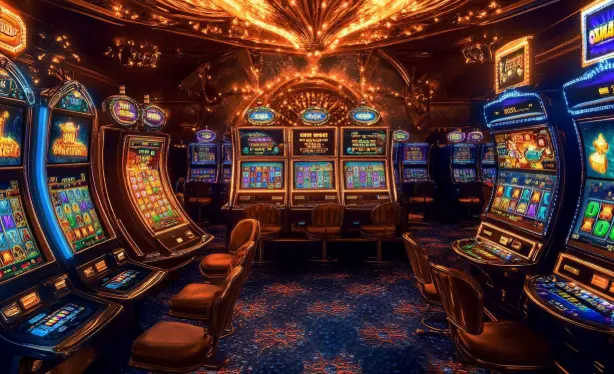
Casino carpet pattern psychology is not decoration theory—it is a calculated assault on the human visual cortex, weaponized by hospitality designers who understand exactly how much sensory friction a gambler can tolerate before the wallet closes. The moment a player crosses the threshold, the floor beneath them starts working. Hypnotic repeats, chaotic color collisions, and aggressive motif density are all deliberate. This is custom hospitality flooring design built to manipulate, and it works because the brain cannot fully resolve the pattern, keeping arousal elevated while conscious attention stays locked on the tables. 😵
The Neurological Mechanics Behind the Chaos
Here is the mechanism most analysts miss: high-frequency repetition combined with low-contrast color shifts overloads peripheral vision without triggering a focal fixation. The eye never settles, so the prefrontal cortex never gets a clean pause to reconsider the bankroll. That constant low-grade visual noise creates a state of mild disorientation—the same cognitive fog that slows decision-making and inflates risk tolerance. Flooring specialists call it a controlled visual trap. I call it the cheapest psychological edge in the building, and it costs a fraction of what the slot floor burns in an hour. 🎰
Pattern Types and Their Behavioral Payloads
Not every motif delivers the same punch. Floral scrollwork with dense repeat geometry produces a calming-but-absorbing effect that keeps players seated longer. Geometric chevrons and clashing jewel tones spike alertness and accelerate betting cadence—ideal for high-traffic table zones. Directional motifs subtly guide foot traffic toward cashier cages or high-margin machine banks. Every layout decision in casino carpet pattern psychology maps to a specific behavioral outcome, and designers who ignore the mapping leave money on the floor. The pattern is the product.
Color Temperature and the Illusion of Winning
Red-heavy palettes raise heart rate and perceived excitement; deep blue and gold combinations signal prestige and reduce exit impulses in VIP corridors. The trick is that none of this registers consciously. Players report the carpet as "loud" or "weird," never realizing the palette was engineered to suppress the urge to leave. That is the entire point. The flooring must look like a design accident while functioning as a behavioral instrument. Anyone selling you a "pretty" pattern without a behavioral brief is selling you dead weight.
Material Specs That Protect the Psychology
Pattern integrity collapses fast under commercial abuse. A nylon 6,6 cut-pile with solution-dyed yarns holds chroma under heavy footfall and cleaning cycles. Backing systems must handle moisture and point loads without delamination, or the motif warps and the psychological effect dies with it. Density above 30 ounces per square yard, stain shields rated for food and beverage spills, and anti-microbial treatment are non-negotiable. The pattern is only as good as the substrate carrying it. 🏗️
Custom Design Workflow and the USA Supply Chain
Serious operators specify custom hospitality flooring design through digital rendering, mock-up production, and on-site lighting validation before committing to a full run. The USA mill network can turn a behavior-driven brief into a production-ready dye lot in weeks, but lead times compress margins if the spec is loose. Lock the behavioral target first, then the pattern, then the yarn system. Reverse that order and you get expensive carpet that does nothing. The floor is the first psychological contact point a player has with the property—treat it like the asset it is, or watch the competition eat your hold percentage.